New Hampshire Dog Registration Information
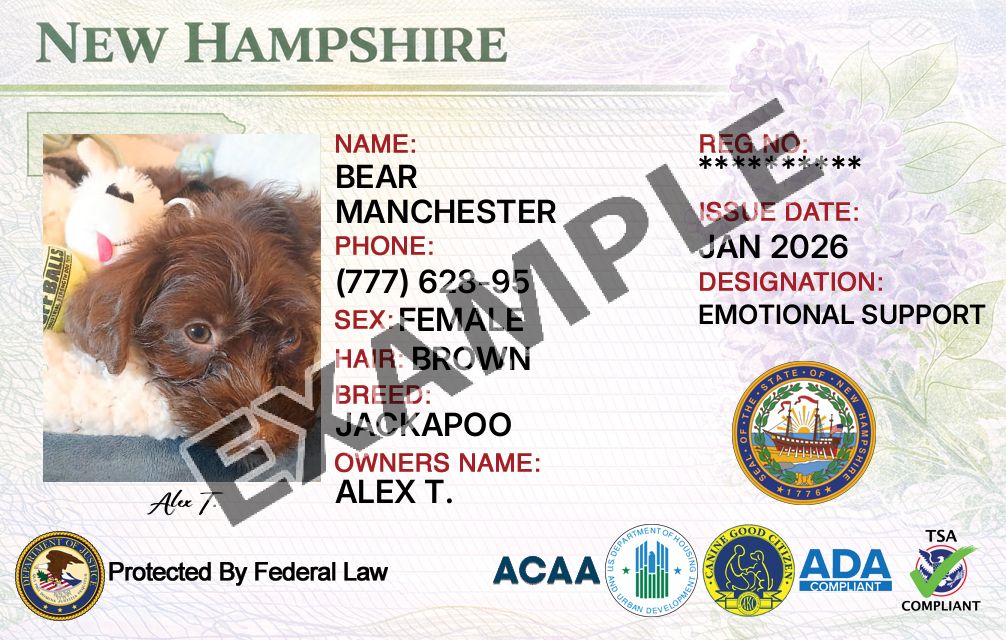
State Licensed, Service Dogs and Emotional Support Dogs in New Hampshire
If you’re asking where do I register my dog in New Hampshire for my service dog or emotional support dog, the most important thing to know is this: New Hampshire does not have a single statewide “service dog registry” or “ESA registry” that you must use to make your animal legally recognized. What you generally do need is a dog license in New Hampshire, and dog licensing is handled locally—typically through your city or town clerk’s office (and sometimes coordinated with local animal control or local law enforcement).
Where to Register or License Your Dog in New Hampshire
Because licensing is local, the best place to start is the City Clerk or Town Clerk office in the municipality where your dog lives. Below are several examples of official New Hampshire offices that handle dog licensing and related clerk services. Availability, fees, and procedures can vary by community, so use these examples as a model for what to look for in your own town.
City of Portsmouth — City Clerk’s Office
- Address: 1 Junkins Avenue
- City/State/ZIP: Portsmouth, NH 03801
- Phone: (603) 610-7245
- Email: cityclerk@portsmouthnh.gov
- Office Hours:
- Monday: 8:00 AM – 6:00 PM
- Tuesday: 8:00 AM – 4:30 PM
- Wednesday: 9:00 AM – 4:30 PM
- Thursday: 8:00 AM – 4:30 PM
- Friday: 8:00 AM – 1:00 PM
City of Manchester — Office of the City Clerk
- Address: One City Hall Plaza
- City/State/ZIP: Manchester, NH 03101
- Phone: (603) 624-6455
- Office Hours: Monday – Friday, 8:00 AM – 5:00 PM
- Email: Not listed on the cited contact page
City of Dover — City Clerk & Tax Collection Office
- Address: 288 Central Ave
- City/State/ZIP: Dover, NH 03820
- Phone: (603) 516-6018
- Email: Dover-TaxClerk@dover.nh.gov
- Office Hours:
- Monday – Thursday: 8:30 AM – 5:30 PM
- Friday: 8:30 AM – 4:00 PM
City of Concord — City Clerk (Dog Licensing Information Available)
- Address: Not listed on the cited dog licensing page
- City/State/ZIP: Concord, NH (ZIP not listed on the cited dog licensing page)
- Phone: Not listed on the cited dog licensing page
- Email: Not listed on the cited dog licensing page
- Office Hours: Not listed on the cited dog licensing page
Overview of Dog Licensing in New Hampshire
What “registering” a dog means in New Hampshire
In New Hampshire, “registering” a dog generally refers to obtaining an annual local license through the clerk of the city or town where the dog is kept. State law requires owners/keepers of dogs (four months old and older) to license their dogs annually, and the license includes a numbered tag for the dog’s collar. The license term runs May 1 through April 30 each year.
Which agencies are responsible
The primary responsibility for issuing licenses sits with your local city or town clerk. Local animal control and/or local law enforcement may be involved in enforcement when dogs are unlicensed or when there are compliance issues, but the licensing transaction itself is typically handled through the clerk’s office.
Rabies vaccination requirement
Before a license can be issued, New Hampshire law requires proof that the dog has been vaccinated against rabies (verification from a licensed veterinarian). In practice, your clerk’s office often asks for a rabies certificate or confirmation that rabies information is already on file.
Important note for service dogs and ESAs
A dog license in New Hampshire is a local identification and compliance requirement. It does not create (or remove) service dog rights, and it does not “certify” an animal as an emotional support animal. A dog can be fully licensed and still not be a service animal; and a service animal still needs to follow local licensing and vaccination rules like other dogs.
How Dog Licensing Works Locally in New Hampshire
Step-by-step: where to register a dog in New Hampshire
- Identify the correct municipality. License the dog in the city/town where the dog is kept (where the dog primarily lives).
- Contact the clerk’s office. Ask whether licensing is in-person, by mail, and/or online and what documentation is required.
- Prepare vaccination proof. You typically must provide rabies vaccination verification before the license is issued.
- Pay the licensing fee. Fees and accepted payment methods vary by municipality.
- Receive the tag. The clerk issues a license and a numbered tag that should be attached to the dog’s collar.
- Renew annually. Licensing is annual and aligned to the May 1–April 30 cycle.
Why your local clerk matters (and why counties are usually not the licensing office)
People often look for “county animal services,” but in New Hampshire the licensing framework is built around the city/town clerk. That’s why searches like animal control dog license New Hampshire can be confusing: animal control may help with enforcement or dog-related incidents, but the “register my dog” step is usually a clerk function.
What happens if a dog is not licensed
State law sets expectations for licensing and provides mechanisms for local enforcement. If a municipality learns a dog is unlicensed—such as through rabies certificate reporting—local processes may include notices to the owner and, if needed, escalation to local law enforcement for enforcement actions.
Does a service dog or ESA change licensing?
Generally, no. Service dogs and emotional support animals still need to comply with local licensing and rabies vaccination requirements. Your local office may have a specific question on its application (for example, altered vs. unaltered status) and may ask for additional documentation depending on local rules, but the starting point remains the same: license your dog in the municipality where it lives.
Service Dog Laws in New Hampshire
Service dog vs. dog license
A service dog is defined by its function: a dog that is trained to do work or perform tasks for a person with a disability. A dog license, by contrast, is a local registration and public health/compliance tool (identification, vaccination verification, municipal recordkeeping). Licensing does not determine whether a dog is a service dog.
No mandatory “service dog registration” required to be a service dog
Many people search for a “service dog registry,” but legal status generally comes from disability laws and the dog’s trained task work—not from paying a third party or obtaining an ID from a non-government site. Your practical requirement in New Hampshire is still: keep the dog properly vaccinated and obtain the local license where required.
Public access and local rules
Service dogs may have broad public access rights under applicable disability laws, but those rights are different from municipal licensing rules. Even when a dog is a service animal, local governments can still require licensing and rabies vaccination as neutral public health measures.
Emotional Support Animal Rules in New Hampshire
ESA vs. service dog (why it affects “registration” questions)
An emotional support animal (ESA) provides comfort by its presence, but it is not necessarily trained to perform specific tasks related to a disability. Because of that difference, an ESA generally does not have the same public access status as a service dog. This is why “registering” an ESA is often misunderstood: there is usually no official government “ESA registration” that changes local dog licensing requirements.
Housing documentation vs. municipal licensing
ESA-related documentation is most commonly discussed in housing contexts, where a housing provider may request reliable information supporting the need for an assistance animal. That is separate from local licensing. Even if your dog is an ESA, you still typically need a dog license in New Hampshire issued by your city or town clerk and proof of rabies vaccination.
Avoid third-party “registrations”
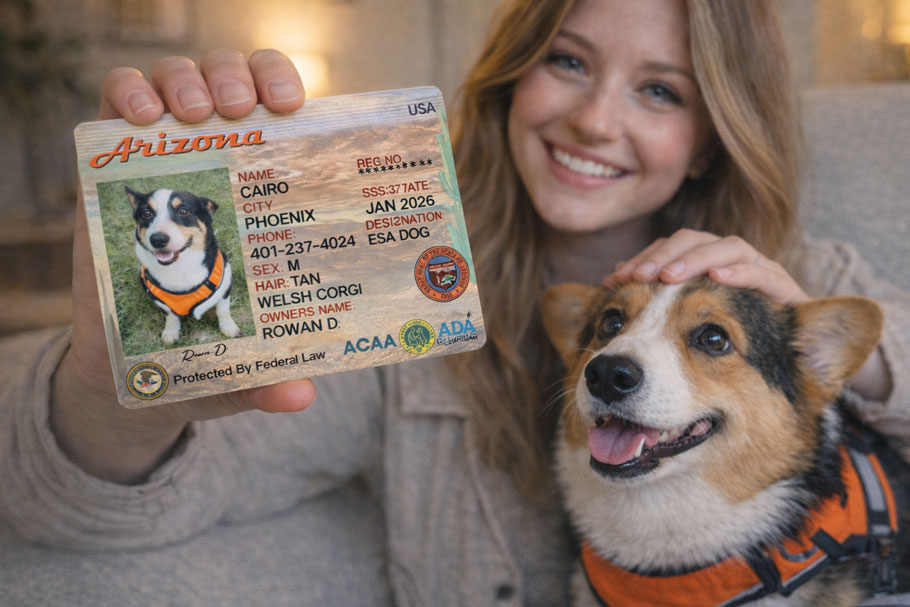
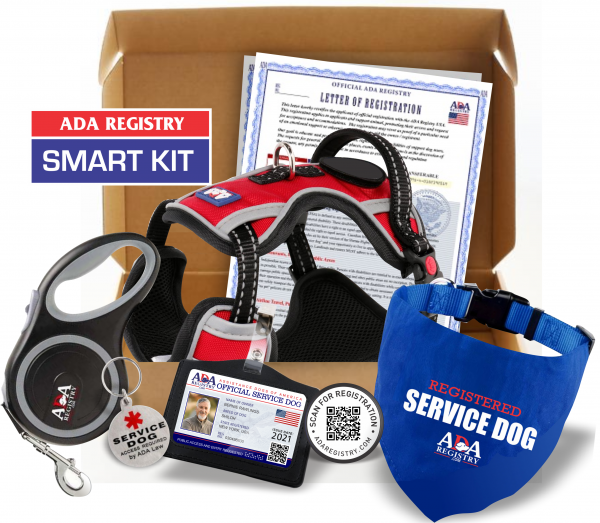
If your goal is simply where to register a dog in New Hampshire, the answer is local government (city/town clerk), not a vendor or third-party site selling certificates. For compliance and peace of mind, focus on local licensing, rabies vaccination documentation, and keeping your records current with your municipality.
Frequently Asked Questions
Typically, no. Service dog status is based on disability-related need and the dog’s trained tasks—not on a paid registry. However, you generally still need to obtain a local dog license in New Hampshire from the city/town clerk where the dog is kept and meet rabies vaccination requirements.
Start with the city or town clerk in the municipality where your dog now lives. Ask for dog licensing requirements, accepted rabies documentation, and whether you can apply online, by mail, or in person.
This is the most direct answer to where to register a dog in New Hampshire: it’s usually local, not statewide.
Yes. New Hampshire’s licensing rules require rabies vaccination verification before a license is issued. Your clerk’s office may accept a rabies certificate or confirmation that your dog’s rabies information is already on file.
In many communities, the license is issued through the city/town clerk, while animal control or local law enforcement may support enforcement. If you’re searching for animal control dog license New Hampshire, call your local animal control to confirm which office processes licenses in your municipality.
Look for a “City Clerk” or “Town Clerk” contact page, or call your city/town hall main number and ask: “Which office issues dog licenses, and what rabies proof do you require?” This is usually the fastest way to confirm exactly where to go.
Register A Dog In Other New Hampshire Counties
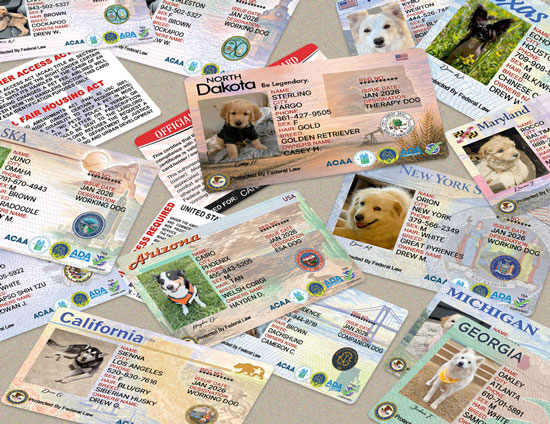
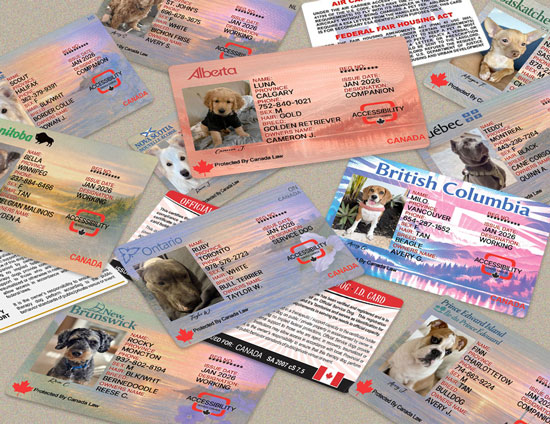
Select your county from the dropdown below to get started with your dog’s ID card. Requirements and license designs may vary by county, so choose your location to see the correct options and complete your pup’s registration.
- Belknap County Dog Registration
- Carroll County Dog Registration
- Cheshire County Dog Registration
- Coos County Dog Registration
- Grafton County Dog Registration
- Hillsborough County Dog Registration
- Merrimack County Dog Registration
- Rockingham County Dog Registration
- Strafford County Dog Registration
- Sullivan County Dog Registration